Stop and document
Address the active source when safe, photograph the affected area and record when the water was discovered.
Document the source, affected materials and visible changes before choosing drying, targeted repair or replacement.
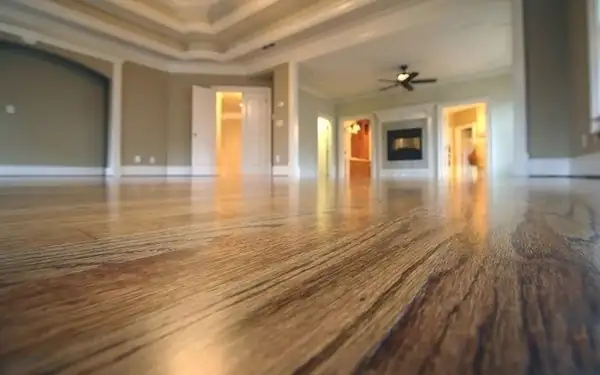
Water damage can be a serious issue for any home, especially when it affects your floors. Addressing the source of water is crucial before starting repairs.
After a flood or leak, assessing the extent of the water damage to your floor requires expertise and care to ensure proper repair.
We repair flooring only after the leak has been fixed and drying or remediation has been completed by another appropriate contractor. The affected area must be dry and ready for flooring work before we begin.
Repair expectations: Repair appearance depends on the condition of the surrounding floor and the availability of compatible matching material.
Flooring work should begin only after the leak is controlled and the affected materials can be assessed safely.
Address the active source when safe, photograph the affected area and record when the water was discovered.
Solid hardwood, engineered wood, laminate and vinyl react differently, so material identification changes the repair options.
Visible boards are only part of the assembly; moisture may also affect underlayment, adhesive or the subfloor.
Send wide and close photos, identify the leak source if known, state when it occurred and describe any cupping, buckling, swelling, staining or loose planks. Include the approximate affected area and whether the flooring continues beneath cabinets or into another room.
Solid hardwood may sometimes be dried and later sanded or refinished, depending on the damage. Engineered products vary by construction. Laminate with a swollen core generally needs affected boards replaced, while vinyl may survive surface water but still conceal moisture below.
Installing replacement material before the assembly is ready can trap moisture and create another failure. A clear scope should distinguish leak repair, drying or remediation from the later flooring work.
These portfolio images show relevant finishes and installation details. Project locations and material specifications are only stated when verified.
Board edges, finish reflection and changes in flatness are useful details to photograph after a leak.
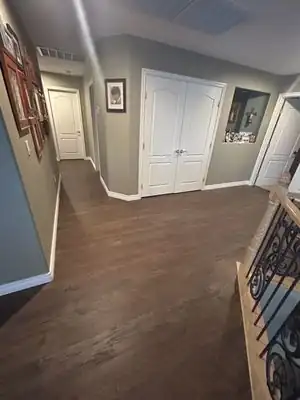
Water can travel beyond the first visible spot when continuous flooring runs through halls and adjoining rooms.
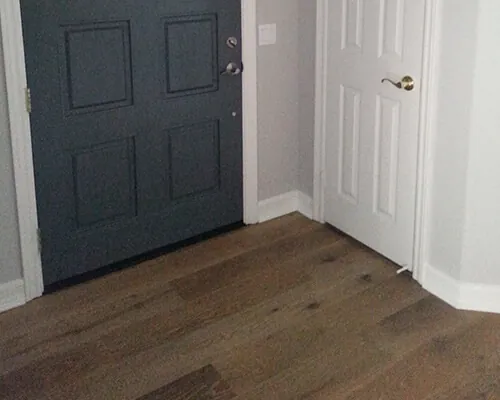
Edges, transitions and moisture-prone entry points help define which boards and adjoining materials need inspection.
See more flooring, stair, runner and railing work in the project gallery.
A qualified contractor can determine repairability after assessing the extent of water damage to various materials.
Photographing edges, transitions and visible changes helps in documenting the condition before repairs are initiated.
Controlling the water ensures that no further damage occurs, allowing for safe and effective assessment of affected areas.
Read more Delight Flooring reviews“I did my floor and learn that the stairs are not included because it is a different kind of job that needed to be done. I start looking for a person or company that can complete the stairs job in a timely manner and cost efficient. I receive many quotes but Rudy’s quote was details and easy to understand. After reviewing all quotes, I decide to give the job to Rudy. A bit scared of what will come out of it, Rudy…”
Roland Van Ibra · HomeStars
Include a few photos with your request so we can understand the surface, transitions and visible damage before following up.